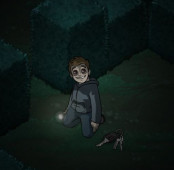
The Kid At The Back is the kind of graphic novel that takes a mundane classroom detail and makes it feel personal. There's a boy at the back, typically silent, usually wearing black and usually easy for the rest of us to miss. When the protagonist sees him, the room changes. The layout of the desks, the hush of the class, the way his eyes stay a beat too long on the screen - it all starts to matter.
The Kid At The Back story is told in the first person, letting the player experience regular life circumstances such as talking in class and informal discussions. The silent student in the back, the centre figure, keeps returning into focus as the player learns more by hearsay and personal interaction. It avoids direct exposition, conveying information through reactions, pauses, and shifting patterns of discourse. This structure requires the player to make sense of meaning, rather than being provided with explicit explanations.
Players can say what they want, but there are consequences to such statements. Choices impact relationships, environments and character conduct. There are multiple paths depending on the player’s interactions to improve replayability. Key interactive features:
The Kid At The Back looks at perception and presumption in relationships. Characters are shaped by their dialogue and by their responses to the player’s presence and choices. Narrative weight accompanies silence, avoidance, or engagement. The game depicts social interactions as complex and ambiguous, and compels the player to make choices on the degree of their involvement and when to opt out. These dynamics play out throughout time, emphasising the notion that understanding is a process, not an event.