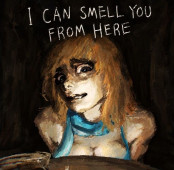
The player's nightly routine gets increasingly unpredictable in Go To Bed, a short first-person horror game. To prepare for sleep, the experience takes place in a bedroom and involves executing everyday duties.
Playing Go To Bed involves movement and engagement. Player explores the room and responds to prompts using normal controls. The manner in which you do simple tasks affects the outcome. If the player hesitates or ignores actions, the surroundings change. Regularity produces an expectation that is disturbed, adding tension. The design emphasises listening to timing and sound, which indicate changes.
Essentials include:
The plot unfolds through interaction, not dialogue. The player's choices tell the story of how breaking patterns makes everyday life strange. Instead of exposition, light, sound, and subtle environmental cues slowly modify the space. Players can focus on repetition and change without clear stories. The plot is told entirely by the player's actions and inactions.
In a simple setting, this game explores how small regular changes can produce tension and awareness. Simple systems that respond to player behaviour replace narration. The goal of preparing for sleep is consistent. However, observation and decision change the experience. Go To Bed turns bedtime into a controlled experiment in perception and consequence by linking regular activities to unpredictable events.